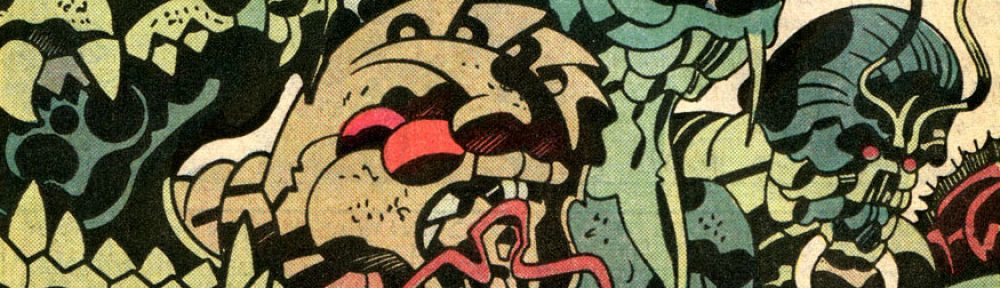
 When he was a little kid, Brian Kettering witnessed his father being murdered by the friendly neighborhood pizza delivery guy. Or maybe it was a fiend from the abyss? To be honest, he wasn’t 100 percent sure what he saw. He was only six years old at the time and his memory was a little bit unreliable.
Everyone has their own personal boogeyman, and Kettering was no exception. Thirty-seven years after witnessing the grisly murder, he was still being haunted by the specter of a monster he called “Doomstalker.” Kettering knew that one day he and his father’s killer would stand face to face—and only one of them would walk away alive.
As a detective with the Los Angeles Police Department, Kettering was familiar with druggies, rapists and pedophiles. He was clueless, however, about pre-Christian ethnology, demonology and Pharaonic magic. They didn’t teach that kind of stuff at the police academy.
Now that the Doomstalker was scratching at his front door, Kettering needed help badly. There was a monster loose in L.A. and it was coming for him and his family. If only he could get his hands on a copy of The Necromancer’s Manual (or maybe a Death Note), then he might have a fighting chance.
Kettering knows he’s caught in an escalating situation but author Gary Brandner tells his story in the most roundabout manner possible. For example, the first third of the novel is mostly about Kettering’s failing marriage. After a while, you start to wonder if the author is using the Doomstalker as a metaphor for divorce. Spoiler alert: he’s not.
Eventually, with the help of his foxy new girlfriend, a police department psychiatrist and a community college professor, Kettering figures out everything. Once exposed, the demon has no choice but to reveal itself: “Its body grew and lengthened, its shoulders hunched into peaks. The legs grew thick and powerful, and the arms stretched down to its ankles. The curved talons clicked together as the fingers moved.” And the face, writes Brandner, “shifted and swelled and broke apart into a leathery devil’s mask.”
Doomstalker may be a solid horror novel featuring a monster older than recorded history, but it is nonetheless a product of its era. Published in 1989, it suffers wildly from outdated social signifiers. For example, Kettering’s son complains that his father isn’t cool like Bill Cosby (!!) and telephone answering machines are described as “high-tech gadgets.” There’s even a little bit of casual homophobia sprinkled about. I don’t think you could get away with that today.
And finally, it occurs to me that even the title of the book is somewhat dated. Doomstalker sounds like the name of an 80s-era thrash metal band, doesn’t it?
[Doomstalker / By Gary Brandner / First Printing: December 1989 / ISBN: 9780449145777]
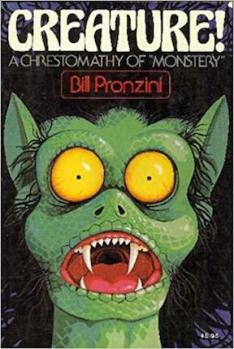 The creatures featured in this “chrestomathy of monstery” are huge (with the strength of a thousand puny humans), tiny (small enough to fit into a bottle of tequila), hairy, scaly, slimy, lonely, horny, vengeful, perverse, benevolent and cosmic.
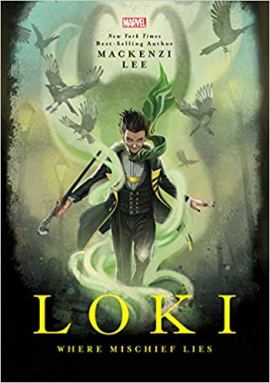 There’s no timestamp on Mackenzi Lee’s latest novel. Readers aren’t told how old Loki and Thor are. All we know is that All-father Odin has yet to name an heir to the Asgardian throne.
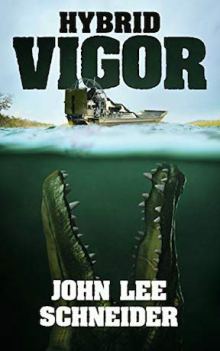 According to author John Lee Schneider, alligators were like big and lazy frogs. “Mud-rooters,” he called them. They might look fierce, but over the years they’ve grown fat with environmental protection.
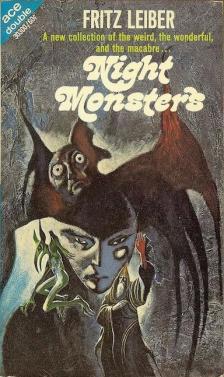 Night Monsters reflects author Fritz Leiber’s career-spanning affection for horror, urban fantasy, timeless antiquity, arcanum, anima and Dark Ladies (no sword and sorcery adventures, alas). It’s a minor collection of stories, but still worthy of a place on your nightstand for a little bedtime reading.
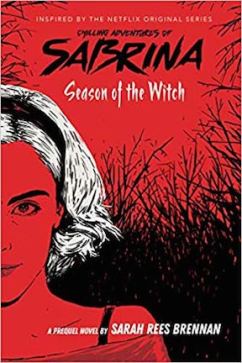 In Season of the Witch, Sabrina Spellman was only 15 years old. She hadn’t experienced her dark baptism, she hadn’t signed her name in the Dark Lord’s book of souls, and she wasn’t enrolled at the Academy of Unseen Arts. She didn’t possess a grimoire—she didn’t even have a black cat named Salem yet.
 The Wash was a vast area of mud, quicksand and dangerous tides. Although beautiful from a distance, especially during the summer when the sun sparkled in the morning mist, it was unquestionably Britain’s most inhospitable location.
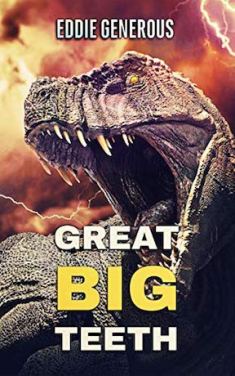 In 1977, a pregnant hippie on a nine-day bender fell down a hole and discovered her version of Pellucidar—a hollowed out, underground chamber filled with dinosaurs. It was an Edgar Rice Burroughs, Jules Verne and Mysterious Island nightmare. Said the author: “Jane Hartman was stuck in an anomaly that spanned several million years, possibly one hundred million years. Hell, maybe longer.”
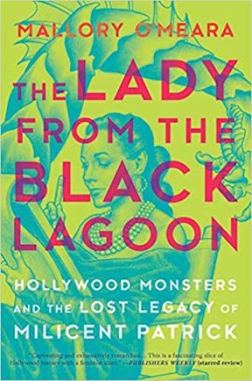 “Women have always been the most important part of monster movies,” says author Mallory O’Meara, “because women are the ones horror happens to. Women have to endure it, fight it and survive it.”
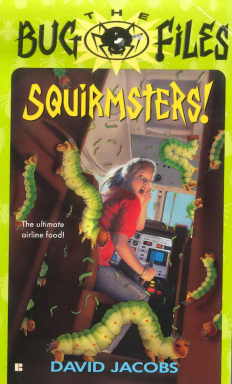 Do “nature run amok” novels qualify as monster novels? Is a coordinated attack of army ants as monstrous as a mob of abominable snowmen? I say “yes.” Rats, worms, spiders, ants, a plague of flies, a swarm of bees, a flock of seagulls—when Mother Nature gets mad, she has a long list of creepy-crawlies on speed dial to do her bidding.
 Monster Book Club