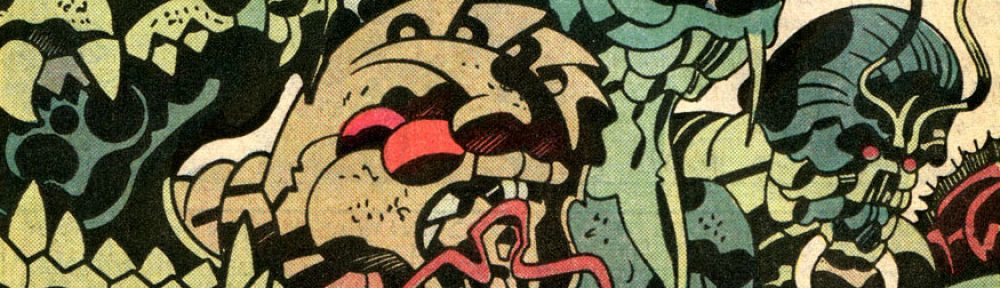
 Back in 1961, President John F. Kennedy pulled the plug on a proposal to invade Cuba with a cast of giant crabs. It was Eisenhower’s crazy idea and JFK hated it. The newly elected president didn’t want anything to do with his predecessor’s cockamamie science fiction plan.
Kennedy wisely put the kibosh on a Cuban crab invasion. But what happened after that? Did the giant, bulletproof mutant monsters just disappear?
Nope. The genetically engineered super crabs were still hanging around. Dishonorably discharged from the CIA, they found a home near Fort Jefferson Dry Tortugas National Park.
Located 70 miles off the coast of Miami, Fort Jefferson was an abandoned pre-Civil War outpost. Even though it was officially part of the National Park Service, it was mostly uninhabitable—no Starbucks, no Netflix, no comic book stores, no nothing. “It was probably the quietest park in the whole system,” said Kathy West, the on-site park ranger. “Nothing out of the ordinary ever happened out here.”
Obviously Ranger West was unaware of the danger surrounding Fort Jefferson. The waters off the coast were clear and calm, marked only by a spiky coral reef. West had no idea what was going on because the crabs were busy doing nothing for over 50 years.
That all changed in a flash when a rogue Homeland Security agent shows up in tow with his crew of black ops musclemen. Their evil plan was to resurrect Eisenhower’s abandoned crab invasion (but with a dastardly twist).
Now it was up to West, an eccentric 80-year-old Navy veteran, a soggy torpedo and a self-described “history nerd” to stop an onslaught of giant crabs upon Miami Beach. “The odds weren’t good,” wrote the author.
Claws was more than a giant crab novel, however. Author Russell James had something else in mind the entire time. As it turned out, the crabs were just the “MacGuffin,” a literary device that fueled the plot. James was more interested in writing a lively mash-up of Men in Black, Challengers of the Unknown and (maybe) the Suicide Squad.
In the last chapter, Kathy West and her sidekick Nathan Toland were conscripted into a secret government assignment. In the future, wherever and whenever monsters attacked, they would be the first responders. It would be their job to keep the public safe from the creatures that haunted national parks, preserves, sanctuaries, archeological sites and historic structures. Their mission: to conserve and protect.
[Claws / By Russell James / First Printing: May 2019 / ISBN: 9781925840759]
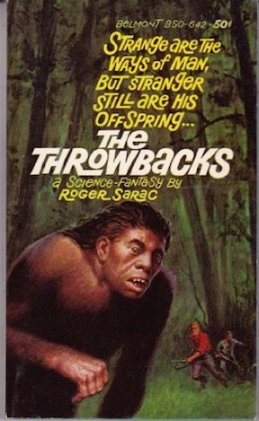 Roger Sarac never explicitly gives a name to the shaggy humanoid beast at the heart of his novel. “It’s like a bear, and yet it ain’t,” he writes. “It’s sort of manlike, yet it ain’t. It’s just a thing without a proper name.”
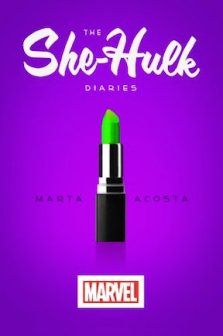 In my opinion, She-Hulk is the best superhero name Stan Lee ever thought up. The hyphenated personal pronoun succeeds at being funny and dumb and smart and provocative all at the same time. She-Hulk could easily be a monster from a 1950s movie or the topic of a women’s studies class. Take your pick.
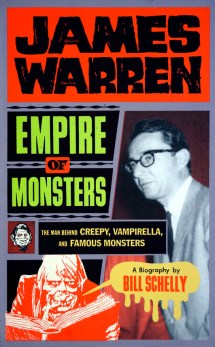 Growing up, my friends and I were fiercely loyal to our favorite comics. One guy loved the old Marvel monster books. Another friend collected Swamp Thing. I was a big fan of House of Mystery. As I remember, we sort of liked Star-Spangled War Stories too.
 When he was a little kid, Brian Kettering witnessed his father being murdered by the friendly neighborhood pizza delivery guy. Or maybe it was a fiend from the abyss? To be honest, he wasn’t 100 percent sure what he saw. He was only six years old at the time and his memory was a little bit unreliable.
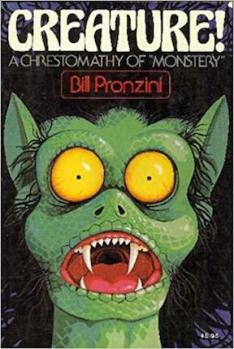 The creatures featured in this “chrestomathy of monstery” are huge (with the strength of a thousand puny humans), tiny (small enough to fit into a bottle of tequila), hairy, scaly, slimy, lonely, horny, vengeful, perverse, benevolent and cosmic.
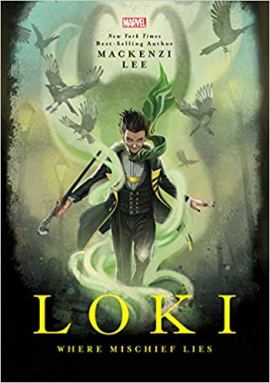 There’s no timestamp on Mackenzi Lee’s latest novel. Readers aren’t told how old Loki and Thor are. All we know is that All-father Odin has yet to name an heir to the Asgardian throne.
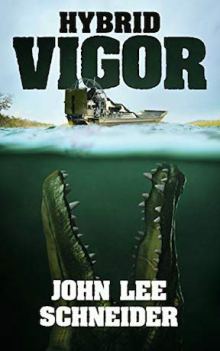 According to author John Lee Schneider, alligators were like big and lazy frogs. “Mud-rooters,” he called them. They might look fierce, but over the years they’ve grown fat with environmental protection.
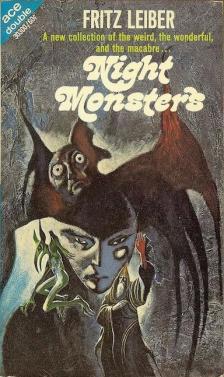 Night Monsters reflects author Fritz Leiber’s career-spanning affection for horror, urban fantasy, timeless antiquity, arcanum, anima and Dark Ladies (no sword and sorcery adventures, alas). It’s a minor collection of stories, but still worthy of a place on your nightstand for a little bedtime reading.
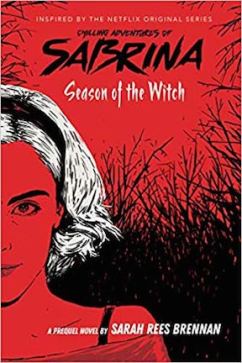 In Season of the Witch, Sabrina Spellman was only 15 years old. She hadn’t experienced her dark baptism, she hadn’t signed her name in the Dark Lord’s book of souls, and she wasn’t enrolled at the Academy of Unseen Arts. She didn’t possess a grimoire—she didn’t even have a black cat named Salem yet.
