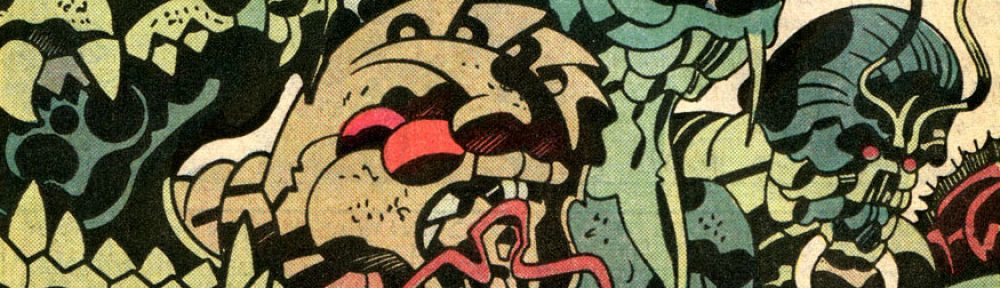
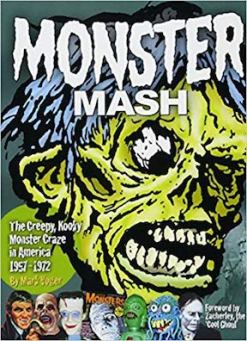
 When did nerd culture officially begin? Maybe it started in 1977 when Star Wars (A New Hope) debuted in theaters. Or maybe it was nurtured slowly by the cumulative efforts of Doctor Who, Peter Parker, James Kirk and Kevin Smith. Author Mark Voger suggests that Comic-Con culture began way back in 1957 with the publication of Famous Monsters of Filmland #1.
Not only did Famous Monsters of Filmland coalesce a hyper fan community, but it also kicked off a creepy and kooky monster craze that lasted 16 years. The magazine was successful from the git-go and sold like wolfsbane in Vasaria. “Famous Monsters was porn for monster fans,” says Voger bluntly.
The monster craze in the U.S. was also fueled by a syndicated package of 52 Universal Studios horror films distributed to local TV stations across the country. These movies, airing late at night and hosted by a gaggle of colorful ghoulies and crypt-keepers, brought monsters to the mainstream.
No one could have anticipated the mania that followed. Remember those torch-wielding villagers in the original Frankenstein movie? That’s how adults felt about monsters back in the 50s, says Voger. “Parents feared that monsters would give their children nightmares. Even worse, they regarded them as false idols that glorified the occult.”
But once the black cat was out of the bag, there was no turning back. Famous Monsters of Filmland, Shock TV, I Was a Teenage Werewolf and Curse of Frankenstein were the harbingers of the future—a new golden age where monster nerds became friends with mummies, vampires, giant lizards and aliens from Mars.
Voger was a kid during the 60s and he experienced the monster invasion firsthand. As such, Monster Mash is both a primer and a nostalgic romp chock-full of funny antidotes, interviews and amazing images. Chats with James Warren (“The Hugh Hefner of Horror,” says Voger) and Forrest J. Ackerman are especially interesting.
The monster craze came to a crashing halt in the early 70s. Dracula was hanging out with hippies, Apes were traveling through time and Barnabas Collins was dead. When Linda Blair used a crucifix as a dildo in The Exorcist, the bloom was off the rose, says Voger.
But this is how we’ll remember the groovy age of monsters: It was a time when monsters hung out; they inhabited the same universe; they posed for group shots. They were old buddies who shared adventures like the Justice League.
Monsters made us better people. They were our friends. We identified with these deformed, hated creatures who, after all, only wanted love. More than anything else, says Voger, the monster craze was “an innocent, naïve, fun time for us dopey little kids.”
[Monster Mash: The Creepy, Kooky Monster Craze in America 1957–1972 / By Mark Voger / First Printing: July 2015 / ISBN: 9781605490649]
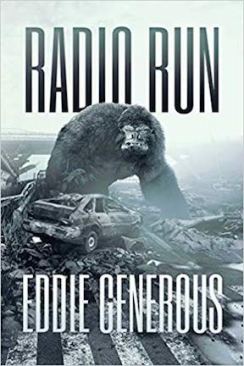 We all know what’s coming. And it’s not going to be pretty. At some point in the future, earthquakes will rock our world. The planet’s axis will shift and the magnetism of the North and South Poles will spin out of control. Oceans will flow in new directions and land mass will change dramatically. Don’t be surprised to wake up one morning and discover entire continents under water.
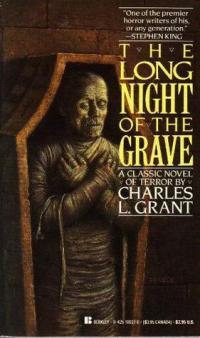 Mummies are creepy and dusty and probably smell like rotten flesh, but they aren’t very scary. Think about it, whom would you rather meet in a dark alley? Nosferatu or Imhotep?
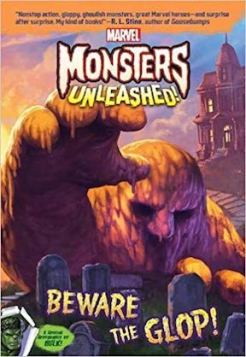 Ben Lee and his sister Cindy believed in monsters. They’d never seen one of course, but that didn’t matter. If there were talking raccoons and seven-foot-tall ambulatory trees in outer space, then why couldn’t there be monsters on Earth?
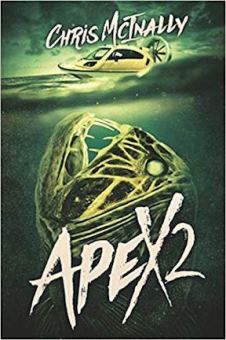 When it comes to horror comics, nobody does it better than Junji Ito. His efforts—including Uzumaki, Tomie and Frankenstein—are famous for being absurd, obscene and grotesque. If you’re new to the creator’s oeuvre, I recommend starting with Uzumaki. I guarantee you won’t be able to resist its insanely hypnotic spiral iconography.
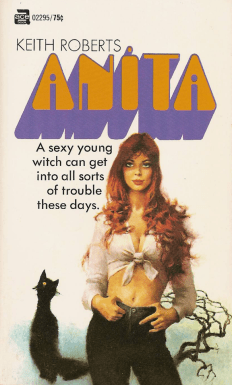 Who’s the most popular witch in the wayward sisterhood? Is it Morgan le Fay? Circe? Baba Yaga? How about Hermione Granger, Willow Rosenberg, Wanda Maximoff or Sabrina Spellman? Laugh if you want, but my favorite witch will always be Wendy, the good little sprite.
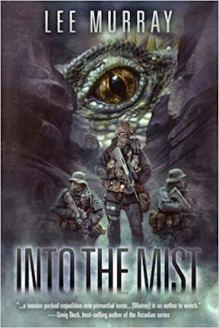 In Maori legend, there are stories of monsters living in rivers and swamps throughout New Zealand. Every child knows about the taniwha—vengeful creatures that slaughter warriors, kidnap maidens and eat babies in one gulp.
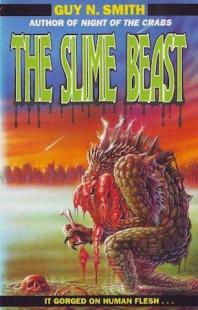 When Professor John Lowson stumbles upon an alien creature sleeping in the swamp, he immediately begins thinking about his lofty reputation. He is, after all, the self-proclaimed “greatest archaeologist in Britain.” Never mind the danger, he says. He wants to bring the beast back to civilization and reap his reward. “Do you think I’m going to let the most profound scientific discovery of all time slip through my fingers?” he asks his colleagues.
 While watching the movie Godzilla: King of the Monsters, one question kept popping into my head: Where was Kong? Surely, he must have heard the rumble of Monster Zero or the bio-sonar signal from Fenway Park. Every time Ghidorah flapped his wings and every time Godzilla retreated to the bottom of the ocean, the giant ape from Skull Island was conspicuous in his absence.
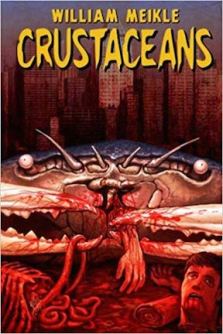 The first sentence of any novel is important. Not only does it grab the reader’s attention, but it also affords the author an opportunity to craft something eloquent and memorable.
